Introduction: The Allure and the Burden of Silk
Mulberry silk bedding has become a touchstone for those who equate sleep with a ritual of well-being. The language of silk—its sheen, its coolness in summer, its warmth in winter—carries a narrative of luxury, yes, but also of science: a fiber whose properties respond intimately to temperature, moisture, and touch. The domain of Mulberry West, with its emphasis on urban nature and accessible education about sustainable textile choices, invites us to consider not only the sensation of a good night’s rest but the lifecycle of the fibers that cradle us through it.
When we speak of sustainability in bedding, we must look beyond price and aesthetics to the fiber’s origin, the integrity of its processing, and the transparency of testing. The best silk bedding emerges from a chain of custody you can trace, a product whose resilience shortens its environmental footprint by lasting longer and requiring fewer replacements. In this guide, we’ll unpack how to evaluate silk bedding through a practical, evidence-based lens—how to interpret momme weight, why long-strand silk matters, and what independent testing and standards can tell you about true quality.
Understanding Silk Quality: Momme, Length, and Longevity
Silk’s feel and durability are not mythical; they hinge on measurable properties that you can compare across brands. The term momme, borrowed from maritime weight measurement, serves as a shorthand for the density and heft of silk fabrics. In bedding, a 19–22 momme weight is often recommended for a balance of softness, drape, and resilience. Lighter silks—say 18 momme—tend to feel more delicate and may wear faster with heavy use or frequent washing. Heavier silks, in the 22 momme and above range, typically offer greater longevity and a more substantial hand, which many sleepers associate with a luxurious, hotel-like presence.
Another crucial factor is the silk’s purity and construction. Long-strand mulberry silk (Bombyx mori) fibers are longer and stronger than short-staple varieties. This matters because longer fibers translate into fewer joins and less pilling, creating a smoother surface that glides against the skin. When you see claims of “long-strand mulberry silk” or “pure long-strand silk” on a product page, you are looking at a promise of durability and a refined hand feel that remains consistent over time.
A third dimension is weave and finishing. The differences between sateen, satin, or charmeuse weaves influence how light reflects off the fabric and how it drapes over the contours of the body. Silk bedding for sleep is most of the time finished with care to preserve the fabric’s natural breathability and moisture management. Subtle details—edge finishes, border treatments, and closures—contribute to a sleep surface that remains comfortable after repeated washings.
Brand Assurance: Independent Testing, Standards, and Transparency
In the realm of luxury textiles, assurances matter as much as aesthetics. Independent testing services provide a layer of credibility that a brand’s in-house QA alone cannot guarantee. Look for signals such as OEKO-TEX Standard 100 certification or equivalent third-party attestations that confirm the absence of harmful substances and verify fiber content. When a brand communicates that its mulberry silk bedding has been tested by independent laboratories—rather than relying solely on supply-chain certifications—it signals a commitment to verifiable claims and consumer safety.
Consider the sourcing narrative as well. Transparent sourcing, responsibly managed silkworm farms, and traceable supply chains align with broader sustainability goals. Brands that openly discuss where their silk comes from, how it is harvested, and what steps are taken to minimize environmental impact tend to offer bedding that better withstands scrutiny from ethical consumers.
Care and Longevity: Practicalities That Protect Your Investment
Silk’s beauty is inseparable from its care. The fiber is relatively delicate compared to cotton or microfiber, but with the right routine, it can endure for many years. The core tenets of silk care are simple: wash gently, avoid high heat, and dry with care to preserve both sheen and fiber integrity. A common approach is a delicate cycle using a mild detergent designed for silk or a gentle, plant-based option. Air drying is preferred to avoid heat-related damage, and if ironing is necessary, a cool iron with the fabric turned inside out helps preserve the fabric’s natural drape and luster.
To minimize wear, handling matters. Treat silk bedding as you would a fine garment: avoid wringing, be mindful of zippers and buttons, and store it in a breathable garment bag or cotton storage environment rather than airtight containers. The goal is to protect the fiber’s surface from abrasion and to maintain the silk’s natural moisture balance that supports skin and hair health.
A Practical Framework: How to Choose Silk Bedding for Different Lifestyles
The decision matrix for silk bedding starts with three questions: how much you value temperature regulation, how sensitive your skin or hair is to friction, and how often you plan to wash. If you live in a warm climate or a home with inconsistent air conditioning, the cooling properties of mulberry silk—its natural moisture management and breathability—become a compelling argument for consideration. If you have sensitive skin or fine hair prone to breakage, the silk’s smooth surface can reduce friction and help preserve skin integrity and hair vitality over time.
Momme weight should align with your climate and comfort preferences. For year-round use, 19–22 momme blends provide a reliable range that balances tactile softness with durability. In extreme climates or for households with higher washing frequencies, a slightly heavier weave may offer extra resilience. Conversely, for those seeking a lighter, airier feel in warmer seasons, an 18–19 momme option can deliver a breathable, weightless experience while still maintaining longevity.
Care Partnerships: What Counts as Sustainable Practice?
Sustainable bedding is not a singular product attribute but a system of choices: responsible silk farming, ethical processing, long product life, and clear end-of-life considerations. A company that communicates its partnerships with recognized brands like Gingerlily or Mulberry West, and that makes a point of providing third-party testing results, demonstrates a holistic approach to sustainability. These collaborations, often founded on shared commitments to non-toxic materials, environmental stewardship, and social responsibility, translate into products that perform while respecting ecological boundaries.
Beyond certifications, consider the practicalities of a product’s lifecycle. How easy is it to repair or refresh with machine-washable care? Can you upgrade your linen selection with matching sheets or pillowcases without overhauling the entire set? A thoughtfully designed silk bedding line offers a cohesive ecosystem that simplifies maintenance and extends the life of the entire sleep ensemble.
A Note on Availability and Real-World Options
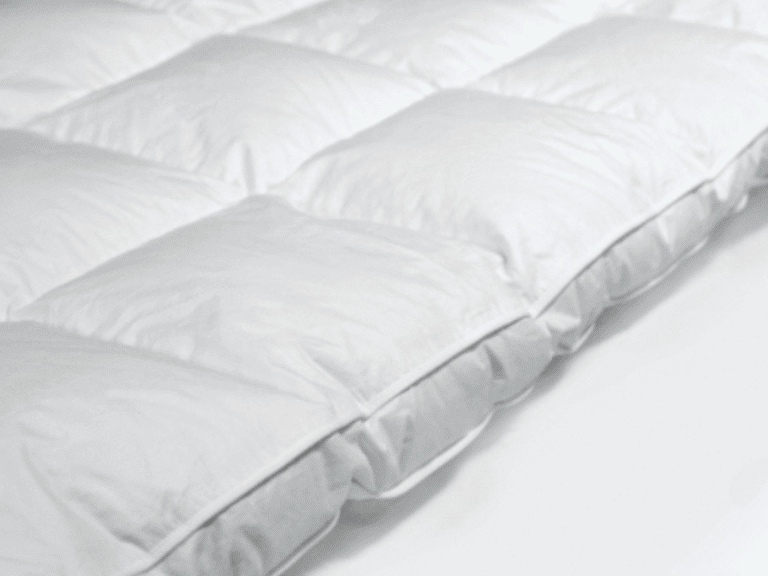
If you are exploring the options offered by contemporary bedding brands, you may encounter products that exemplify the best practices described here. For instance, a Hypodown Bed—though not silk—illustrates how brands think about sleep comfort through carefully engineered fill power and breathable shells, a reminder that the quest for breathable sleep surfaces often travels across material families. Similarly, accessories like a Fern Silk Bolster Cushion Cover demonstrate how silk can translate beyond sheets and pillowcases into decorative and supportive textiles that preserve harmony with a bedding ensemble while delivering tactile richness.
In your search, prioritize product pages that articulate fiber content, momme weight, and care instructions in plain language, and that provide third-party validation or transparent sourcing narratives. A strong bedding program will not merely tell you what it is but will also show you how it is tested and cared for—because sustainable luxury is as much about trust as it is about texture.
Representative Products: What to Look For on a Sleep-First Brand Catalog
Within product catalogs that emphasize silk bedding, you may encounter items designed to elevate the sleep surface with precise construction. For example, a Hypodown Bed, though not silk, demonstrates the principle of balancing loft, breathability, and support; the parallel for silk would be a duvet cover or sheet set crafted from 19–22 momme mulberry silk with a careful finish that preserves sheen and comfort over repeated care cycles. In the same catalog, a Fern Silk Bolster Cushion Cover exhibits the versatility of silk in decorative and supportive roles, while maintaining the fiber’s integrity through careful construction and gentle care, aligning with the broader sustainability narrative.
When scanning for silk bedding, you might encounter individual pieces such as ivory or ashdown silk flat sheets, satin or sateen weaves, and bordered duvet covers featuring refined Oxford borders. Each item offers a different tactile and visual profile, yet all share the underlying promise of skin- and hair-friendly performance when cared for according to manufacturer guidelines. Look for clear product descriptions that include fiber content, momme, care temperatures, and washing instructions, as well as any notes about dye-fastness and color longevity.
Conclusion: A Practical, Sustainable Path to Better Sleep
Sustainable mulberry silk bedding is a blend of science, craft, and consumer discernment. It asks not only for an appreciation of the fiber’s natural properties but also for a discipline of care and a commitment to transparency. The goal is not mere opulence but a durable, health-conscious sleep environment that respects the people who produce the silk and the ecosystems that sustain them. By approaching silk bedding with attention to momme weight, fiber length, third-party testing, and thoughtful care, you invest in a bed that remains comfortable, beautiful, and responsibly sourced for years to come.
Mulberry West’s branding, with its emphasis on urban nature and accessible knowledge, invites readers to translate these principles into practical, everyday decisions. The materials you choose—silk that breathes, threads that endure, and care routines that honor both fabric and body—form the quiet backbone of well-being. In the end, the most sustainable choice is the one that lasts, with minimal environmental cost and maximal daily comfort.
A Brief Brand Note: Related Products from Our Catalog
Among our catalog items, we feature carefully selected pieces that align with a sleep-first, sustainability-minded approach. For instance, the Fern Silk Bolster Cushion Cover—crafted from upper 100% mulberry silk with a reverse layer of silk and cotton—offers a tactile extension of silk’s comfort into decorative spaces, while maintaining a clean, refined look suitable for a modern bedroom. The soft contrast of fern motifs and mocha side panels demonstrates how silk textures can elevate interior aesthetics without compromising practical wearability.
If you’re curating a layered bed with coordinated textiles, consider a complementary bed skirt or a silk duvet cover in a coordinating color story. A well-chosen bed skirt grounds the ensemble and creates a cohesive Western-inspired or neutral-modern aesthetic, depending on your room’s style. When you select a silk duvet cover, seek a design that pairs with your flat and fitted sheets to maintain a uniform sheen and surface texture, ensuring that the bed remains a serene, inviting space for rest.
Further Reading and Resources
- Independent testing and standards: Look for OEKO-TEX Standard 100 and other third-party certifications that verify fiber content and absence of harmful substances.
- Sourcing transparency: Seek brands that describe their fiber supply chain and farm partnerships with specificity.
- Care guidelines: Follow gentle washing protocols and air-dry practices to preserve silk’s integrity.
About This Article
This article is part of a broader exploration of sustainable, sleep-first bedding and reflects considerations drawn from industry practices, consumer guidance, and a focus on durable, healthy sleep surfaces.
Related Products from Our Catalog
Fern Silk Bolster Cushion Cover
Mulberry silk bolster cushion cover with fern print and mocha sides.
Brand: Gingerlily
Learn moreSun Valley Mojave Bed Skirt
Bed skirt finishing with western-inspired detailing.
Brand: Wooded River
Learn more
