Sheets · Silk bedding
White Silk Sheets: Comparing Weight, Feel, and Everyday Care
White silk sheets can look almost plain in a product listing. On a bed, they are anything but: light changes their sheen, the weave shapes their touch, and the weight determines whether they feel like a cool whisper or a more substantial layer. Knowing how those details work makes it easier to choose a set you will enjoy—and to care for it without turning laundry into an elaborate ceremony.
Published November 21, 2026
White bedding has a talent for making a room seem more deliberate than it may be. It reflects daylight, reveals the line of a folded hem, and gives even a slightly rumpled bed the air of having been considered. Silk adds another quality: a quiet, shifting luster that changes as the fabric moves. Yet the color is only the beginning. When comparing white silk sheets, the questions worth asking concern fiber, weight, weave, construction, and care.
These are not merely technical distinctions. They determine how a sheet settles over a mattress, whether it feels cool or enveloping, and how much attention it needs after washing. A good choice is less about finding the most impressive specification than matching the fabric to your habits. Someone who likes a light layer and keeps the bedroom warm may prefer a different silk sheet from someone who wants a more substantial surface and sleeps with several layers.
One useful starting point is the Ivory Silk Flat Sheet, described as 100% long-strand mulberry silk with a 19 momme weight. Its ivory shade is not optical white, but it offers the same quiet, versatile character that makes pale silk bedding easy to pair with other colors. Its care guidance—delicate washing at no more than 30°C, air drying, and cool ironing—also gives a practical example of the routine silk generally asks of its owner.
What “weight” means on a silk sheet
Silk bedding is often described by momme, a traditional measure of silk fabric weight. The number helps compare fabrics, but it is not a complete verdict on quality or comfort. A higher momme figure generally indicates more silk by area and a denser, more substantial fabric. A lower figure may feel lighter and more fluid. The result in the hand also depends on the silk, the weave, the finishing, and the particular way the sheet is made.
In everyday terms, weight can affect the impression a sheet makes when you first touch it. A lighter fabric may feel airy and slide easily over the bed. A heavier one can have more presence, a deeper drape, and a little more resistance when handled. Neither is automatically better. The right choice depends on whether you want a barely-there layer or a surface that feels more grounded.
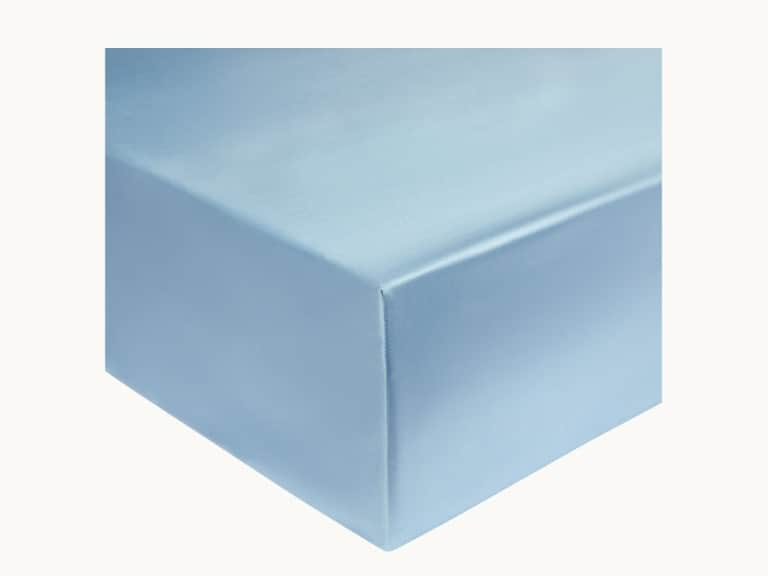
The Ivory Silk Flat Sheet is listed at 19 momme. For comparison, the Summerhill Blue Silk Fitted Sheet is listed at 22 momme, though it is blue rather than white. That example illustrates why specifications need context: a weight number can help you understand the fabric, but it does not establish that one colorway, style, or construction will feel exactly like another. A fitted sheet is stretched over a mattress; a flat sheet falls freely. The same silk weight may therefore register differently in use.
When comparing options, look for the weight stated for the exact item, rather than assuming that every piece in a collection shares the same specification. Flat sheets, fitted sheets, duvet covers, and pillowcases may vary. If the listing does not provide a momme figure, it is better to ask the retailer or maker than to infer one from the price, sheen, or marketing language.
- For a lighter impression: prioritize a fluid feel and an easy, airy drape, while checking the stated weight and fabric details.
- For a more substantial hand: compare options with higher listed momme weights, but remember that weave and finish matter too.
- For coordinated bedding: confirm the weight of each component individually; a matching color does not guarantee matching fabric specifications.
Feel, sheen, and the question of weave
Silk is often spoken of as if it had one unmistakable texture. In reality, two silk fabrics can feel quite different. Weave and finishing influence smoothness, drape, and reflectiveness. A polished surface may produce a more visible sheen; a less reflective finish can look quieter. These details are especially noticeable in white, where light has little color to distract the eye. A fabric may appear luminous in morning sun and almost matte in a shaded room.
There is also the matter of movement. Silk is known for its smooth surface and flowing drape, qualities that some sleepers find appealing against the skin. Others prefer the more familiar, slightly grippy feel of cotton. Neither response is a test of discernment. Comfort is personal, and a sheet that feels elegant in a showroom may not be the one you reach for at midnight. If possible, feel a sample or compare a pillowcase in the same fabric before committing to an entire bed.
Descriptions such as “soft,” “breathable,” and “luxurious” can be useful, but they are not substitutes for specifics. Look for the fiber content, weight, construction, and any available notes on finish. “Mulberry silk” identifies a type of silk associated with the silkworms’ diet; it does not, by itself, tell you the exact texture or durability of a finished sheet. The product’s complete specification is more informative than any single phrase.
White and ivory shades deserve their own small inspection. The word “white” can describe a crisp, cool-looking tone, while ivory generally carries a warmer cast. In a bedroom with warm wood, cream walls, or softly colored bedding, ivory may blend naturally. Against bright white paint or a crisp cotton duvet, it may read as deliberately warmer. If color consistency matters, compare the product description with the rest of your bedding and check whether the maker offers a defined color name rather than relying on a photograph viewed on a screen.
Construction is part of comfort
A sheet has to do more than feel pleasant in a folded stack. It must fit the mattress, stay in place, and withstand the ordinary movement of sleep. For a fitted sheet, check the pocket depth as well as the mattress dimensions. The Summerhill Blue Silk Fitted Sheet, for example, lists a 35 cm pocket depth. That figure is useful only when compared with the height of your mattress, including any topper. A close fit can make the bed easier to make and reduce the chance of a corner slipping free overnight.
Flat sheets involve different considerations. Their dimensions affect how much fabric can be tucked at the sides and foot of the bed. Details such as borders, hems, and the way the fabric is finished can change both appearance and handling. A broad border may offer a neat line when the sheet is folded back; a plain edge tends to disappear into the rest of the bed. These choices are aesthetic, but they also influence how the sheet lies when in use.
Closures and seams matter most on pieces that wrap around or enclose something, such as duvet covers and pillowcases. For sheets, inspect the hem and the quality of stitching if product information is available. A well-finished edge helps a lightweight fabric feel considered rather than fragile. It is sensible to treat claims about durability cautiously unless the maker explains the construction or care expectations clearly.
Silk sheets can be part of a layered bed, not necessarily the entire bedding system. They may sit under a cotton blanket, a silk duvet cover, or another breathable layer. Layering allows the sleeper to adjust warmth without asking one fabric to solve every seasonal problem. It also offers a practical way to enjoy silk where it matters most to you—perhaps as a flat sheet or pillowcase—while using more easily laundered fabrics elsewhere.
Care begins before the wash
Silk’s reputation for delicacy can make its care sound forbidding. The routine is usually simpler than the reputation suggests, provided you follow the maker’s instructions and avoid treating the fabric as though it were ordinary cotton. Check the care label before the first wash; if a product specifies a particular detergent, temperature, or cleaning method, that guidance takes precedence over general advice.
For the Ivory Silk Flat Sheet, the listed instructions call for a delicate machine cycle at no more than 30°C, air drying, and a cool iron. Other silk products may specify a mild liquid silk or delicate detergent, turning the sheet inside out, or avoiding tumble drying. These differences are not decorative fine print. They are instructions for preserving the surface and finish the maker intended.
- Separate thoughtfully. Wash silk with similarly delicate items and avoid rough fabrics, hooks, or zippers that might snag it. A clean, uncluttered drum gives the sheet room to move.
- Choose a gentle cycle. Use the temperature and settings stated on the care label. If the instruction specifies a delicate cycle at or below 30°C, do not substitute a hotter wash for convenience.
- Use a suitable detergent. A mild liquid detergent intended for silk or delicate fabrics is often recommended. Avoid bleach and aggressive stain treatments unless the product’s instructions explicitly permit them.
- Handle wet fabric with care. Silk can be more vulnerable when wet. Lift rather than wring or twist it, and support the fabric so its weight does not pull unevenly on one edge.
- Air dry as directed. Keep the sheet away from tumble drying if the label advises against it. Drying it gently helps avoid unnecessary heat and friction.
- Iron only if needed. If the instructions allow ironing, use a cool setting. Test cautiously on an inconspicuous area when appropriate, and follow any guidance about ironing the fabric inside out.
Stains are best addressed promptly, but a hurried application of stain remover can do more harm than the original mark. Blot rather than rub, and avoid scrubbing the fabric with a brush or rough cloth. For a persistent stain, check the maker’s care advice or consult a cleaner experienced with silk. A piece that is labeled dry-clean only should not be treated as machine washable merely because another item in the same room can be.
Keeping white silk looking fresh
White silk’s principal attraction is also its vulnerability: it shows the small evidence of life. Dust, body oils, cosmetics, and a glass of tea near the bed are more visible against a pale surface than against a dark print. Regular, gentle laundering can help keep sheets fresh, but washing too frequently or too aggressively is not a virtue. Follow the product’s guidance and consider your own use, climate, and personal comfort.
Before making the bed, allow a washed sheet to dry fully. Storing fabric while it is damp can encourage mustiness and creasing. Fold silk loosely and keep it in a clean, dry place, away from direct sunlight for extended periods. If the sheet is to remain folded for a season, avoid placing heavy objects on top of it. The aim is not to preserve it as a museum textile; it is simply to avoid unnecessary pressure, heat, and abrasion.
Sunlight may be useful for brightening some laundry, but prolonged direct exposure can be hard on delicate fibers and color. For white silk, choose a shaded, airy place to dry unless the maker provides different instructions. A clean drying rack, with the fabric supported rather than draped sharply over a narrow edge, is a practical option. Take care not to let the sheet brush against rough walls, outdoor furniture, or anything that could snag the weave.
There is no need to chase a perfectly pressed appearance every morning. Silk’s natural drape is part of its appeal, and minor folds often disappear once the sheet is laid smoothly and warmed by use. If a crisp finish is important, a cool iron can help where the care instructions permit it. Otherwise, the occasional crease is less a failure of housekeeping than evidence that the bed is being used.
A practical comparison before buying
Shopping for silk sheets can become a recital of luxury vocabulary. It is more useful to make a short comparison on paper—or in the notes app people consult while standing in the middle of a bedroom. Start with what you actually need: a flat sheet, a fitted sheet, or a complete set. Then compare the specifications that affect fit, sensation, and maintenance.
| What to compare | Why it matters | What to check |
|---|---|---|
| Fiber content | Clarifies what the sheet is made from and whether it is pure silk or a blend. | Look for a specific material description, such as 100% mulberry silk. |
| Silk weight | Helps describe the fabric’s substance and likely hand feel. | Check the momme weight for the exact item, not only the collection. |
| Construction | Influences fit, drape, and how the sheet behaves on the bed. | Compare fitted-sheet pocket depth, dimensions, hems, and borders. |
| Color | Sets the tone of the bed and affects how the fabric reads in different light. | Distinguish bright white from ivory or other warm whites. |
| Care | Determines the effort and handling the fabric will require over time. | Review washing temperature, detergent, drying, ironing, and any exclusions. |
Then ask yourself how much care you are willing to give the sheet. If you want every item in the bed to go into a standard wash together, silk may not be the most convenient choice. If a gentle cycle, careful drying, and a little attention to storage seem manageable, silk can become an ordinary part of the routine rather than a special-occasion fabric. The important thing is to choose with the care instructions in view, not discover them after the first laundry day.
The quiet pleasure of choosing well
White silk sheets are not a shortcut to perfect sleep, and no fabric can guarantee comfort for every sleeper. They are a particular kind of bedding: smooth, luminous, and best enjoyed when their qualities suit the person using them. Weight gives one useful clue. Weave and finish help explain the surface. Construction determines how the sheet fits. Care decides whether that finish remains pleasing over time.
Begin with the practical facts, then imagine the sheet in your own room. Does a warmer ivory make more sense than a cooler white? Would you rather have a light, fluid layer or a fabric with a little more substance? Is the fitted-sheet depth right for your mattress? Can you follow the maker’s washing and drying directions without resenting the process? Those questions may be less romantic than the sheen of a newly made bed, but they are the ones that tend to matter after the first week.
The best silk sheet is not necessarily the one with the largest number or the most ornate description. It is the one whose feel, fit, color, and care requirements make sense together. Choose it with those details in mind, treat it gently, and allow it to become what good bedding ought to be: a small, dependable pleasure, noticed most when everything else has gone quiet.